William Patrick Wend
Version 6.0ish. Digital Humanities. Running. Linux.
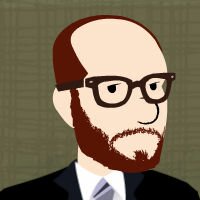
William Patrick Wend () is a lecturer in the liberal arts department at Burlington County College. You can contact him by .
 |
| I Blog About...
Virginia Woolf Monmouth English Symposium Toni Magyar Margaret Atwood Henry Rollins Roland Barthes Terry Brooks Audio Books Douglas Coupland Miriam Elizabeth Burstein Italo Calvino Piers Anthony The Quarterly Conversation War Prayers Netflix Podcast Star Trek N. Katherine Hayles Jock O Rama Open Source Jorge Luis Borges Susan Sontag Collaboration Meta Daniel Green Hypertext Barack Obama New York Times The Guardian Laurie Halse Anderson Firefox Grand Text Auto Kristin Bluemel Jill Walker-Rettberg Shakespeare Scott Esposito Electronic Literature Death In The Family Intertextuality Distributed Narrative Kurt Vonnegut In Progress Shelley Jackson Interactive Fiction Bookslut #thatcamp Authorship Implementation Nick Montfort Doctor Who J. K. Rowling Julia Kristeva Conversational Reading Conference Notes Homer The New Yorker Buffy The Vampire Slayer Michel Foucault Gilbert Sorrentino Education Issues Michel Houellebecq MA Thesis Stockton Gender Issues That Camp Scott Rettberg Fan Fiction Miles Davis George Landow John Barth Marjane Satrapi Vote None Of The Above 04 Ubuntu Second Life
 Zotero Library
- Raine Koskimaa:These waves of memories 12-23-2011
- Raine Koskimaa:These waves of memories 12-23-2011
- From the Editors: On the Proliferation of Posthumous Publication | Quarterly Conversation 12-23-2011
- From the Editors: On the Proliferation of Posthumous Publication | Quarterly Conversation 12-23-2011
- The Project Gutenberg eBook of Homer and Classical Philology, by Friedrich Nietzsche 12-23-2011
Random Posts
- Electronic Literature In Europe
- Weekly Reader
- Bhagavad Gita As It Is
On This Date...
- 2004: Swift Boat — [...]
Publications
Courses Taught
Scholarly/Conference Presentations
Contributor
New Media Projects
Scholarly Guest Blogging
Interviews + Media
Digital Humanists
New Media
Read
- Critical Code Studies
- Electronic Book Review
- Electronic Literature Organization
- Grand Text Auto
- Kill From The Heart
- Net Poetics
- Shit-Fi Magazine
- The New Vulgate
- The Quarterly Conversation
- Words Without Borders
- Writer Response Theory
Support
Recent Comments
- Rex Iriarte on ThatCamp Jersey Shore: Games Games Games-Thinking With Teaching
- on Weekend Reading
- William Bush on Unplayable Netflix Rentals
- Brian Croxall on Hacking The Academy Contribution
- Braggj on Objectivity v Bias

- Copyright © 1996-2011 William Patrick Wend
- Theme designed by mono-lab
- Powered by WordPress